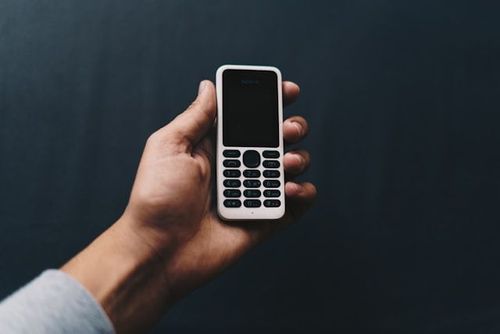
In a world where nearly everything requires an app, login, QR code, or push notification, it’s easy to forget one simple truth:
Many older adults do not use smartphones — and many who have them don’t feel comfortable with complex technology.
And that’s okay. In fact, it’s normal.
Yet families and care teams often rely on digital tools to stay updated on an older adult’s wellbeing. Apps, monitoring systems, wearables, and digital dashboards can be incredibly helpful — but only when the person on the other end is able and willing to use them.
For millions of older adults, this simply isn’t the case.
That’s why the familiar phone call remains the most powerful, accessible, and human-centered tool we have. And it’s exactly why HelloDear was built this way: no apps, no devices, no setup stress — just a regular phone call that feels natural and effortless.
📞 Why Many Older Adults Don’t Use Smartphones
While tech adoption among seniors is increasing, it’s far from universal. Studies consistently show:
- A significant portion of adults over 75 do not use smartphones at all.
- Many who do have smartphones use only a few basic features — and often feel overwhelmed.
- Passwords, app updates, notifications, and small text sizes can all create frustration.
- Cognitive changes with age can make learning new digital systems difficult.
- Even tech-savvy seniors may lose confidence after a few negative experiences or errors.
It’s not a lack of intelligence — it’s that technology today is not designed for older minds, eyes, or lifestyles.
And when technology becomes a barrier, it creates new problems instead of solving old ones.
That’s why HelloDear takes a different approach.
💬 The Power of a Simple, Familiar Phone Call
For many older adults, the phone is not just a device — it’s an anchor. It’s the technology they grew up with. A place of comfort. A safe way to connect.
Phone calls are:
- Familiar — no learning curve, no confusion
- Accessible — landlines, flip phones, or mobile phones all work
- Comforting — the voice on the line feels warm and real
- Consistent — routines are easy to follow
- Low-effort — just pick up when it rings
HelloDear uses that simplicity as the foundation for wellbeing support:
👉 Daily friendly check-in calls 👉 Gentle conversation 👉 Natural questions woven into a warm dialogue 👉 Subtle wellbeing signals gathered from tone, pace, content, and routine
All without requiring the older adult to download, install, sync, or navigate anything.
🌿 Why No-Device Solutions Matter for Emotional Wellbeing
Apps and monitoring devices can track certain things, but:
They cannot ask, “How did you sleep?” “Are you drinking enough water?” "How are you feeling today?"
They cannot respond with empathy or redirect a conversation gently. They cannot pick up on subtle emotional cues like:
- Confusion
- Mild sadness
- Withdrawal
- A slower-than-usual voice
- A change in energy
But a conversation can.
For older adults who experience loneliness, boredom, or isolation, these daily calls are not just data points — they’re moments of human connection that brighten the day.
Even if the technology behind HelloDear is advanced, what the older adult feels is simple, friendly, and human-like.
🏡 Why No Apps Also Helps Families
The truth is, families are busy. Even with the best intentions, daily check-ins can slip:
- Work schedules
- Time zones
- Care responsibilities
- Stress and emotional overload
- Forgetting to call
- Fatigue after long days
HelloDear fills the gaps with consistency and calm.
Instead of relying on sporadic updates, families receive:
- Weekly digests with mood, sleep, activity, hydration, and routine insights
- Clear trend arrows that show whether things are improving or shifting
- Simple notes that bring peace of mind
- Early flags when patterns need attention
Families feel closer, informed, and reassured — without needing to install anything themselves, either.
🩺 Why No Apps Matter for Care Teams
Professional caregivers, nurses, and care managers spend a huge amount of time:
- Documenting
- Coordinating
- Chasing unclear updates
- Interpreting inconsistent reports
- Reaching out after missed calls
- Trying to understand incomplete information
HelloDear’s simple, structured system makes their work easier, not heavier.
Care teams receive:
- SBAR-style summaries after each call
- Priority signals when multi-day patterns change
- Shift briefs with clear context
- Non-clinical insights that help spot early signs before they escalate
And none of this requires the older adult to use an app.
The care professional receives clarity. The older adult experiences dignity. Technology stays invisible — as it should.
🌟 “But Isn’t Everything AI Now?”
Yes — but older adults don’t need to know or manage any of that.
HelloDear’s philosophy is simple:
The technology should work in the background — and the experience should feel warm, gentle, and human-centered.
While advanced tools interpret wellbeing signals and generate summaries, the older adult simply enjoys a friendly call.
No stress. No confusion. No pressure to “learn something new.”
🌱 A Future That Includes Everyone
The world is moving fast — but aging doesn’t follow the same pace.
If the goal is connection, clarity, and compassionate support, then the tools must meet older adults where they already are… not pull them into a world they never asked to join.
A simple phone call honors:
- The rhythm of their daily life
- Their autonomy
- Their dignity
- Their comfort level with technology
- Their need for real connection
HelloDear is built on that understanding.
No apps. No smartphones. Just a simple call — because connection should be effortless.