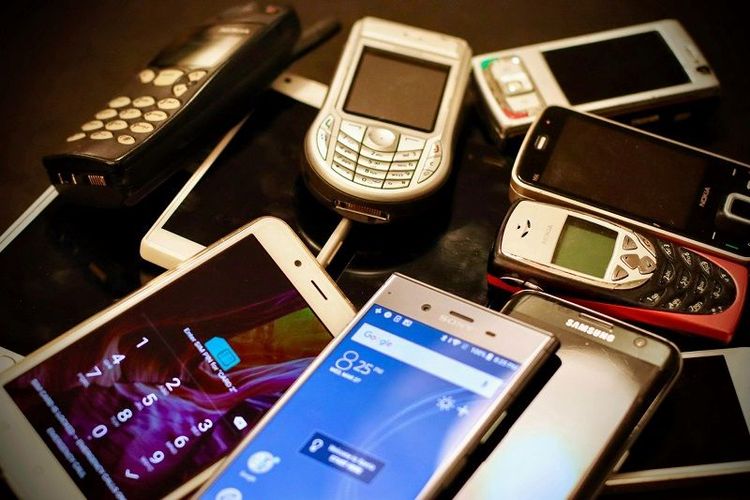
Technology has transformed nearly every part of modern life — including healthcare and caregiving. Yet for many older adults, the very tools designed to “help” often create frustration, confusion, or exclusion.
Touchscreens. Passwords. Updates. Notifications.
When support depends on complex technology, many seniors are unintentionally left behind.
True innovation in elder care isn’t about adding more features — it’s about designing care that people can actually use.
The Accessibility Gap in Senior Technology
Many digital health tools assume a level of comfort with smartphones, apps, and constant connectivity. But the reality is different.
Large numbers of older adults:
- Do not own smartphones
- Avoid downloading or managing apps
- Struggle with small screens or complex interfaces
- Feel anxious about “doing something wrong”
- Prefer familiar, reliable tools
This doesn’t mean seniors are unwilling to engage — it means technology often isn’t designed with them in mind.
When technology becomes a barrier, care becomes inaccessible.
Inclusion Starts With Familiarity
Inclusive design begins by meeting people where they are — not where technology wants them to be.
For older adults, familiarity matters:
- A regular phone feels safe
- Voice communication feels natural
- No setup reduces anxiety
- Predictable routines build trust
The most inclusive tools don’t ask seniors to adapt. They adapt to seniors.
Why Simpler Is Often Better
In elder support, complexity rarely improves outcomes.
Simple systems:
- Reduce cognitive load
- Increase consistency of use
- Lower stress and resistance
- Encourage long-term engagement
A solution that works “perfectly” but isn’t used helps no one.
Designing for simplicity isn’t a limitation — it’s a strength.
Designing With Dignity in Mind
Technology for older adults must respect autonomy and dignity.
That means:
- No feeling of surveillance
- No constant prompts or reminders
- No pressure to perform or respond
- Clear consent and transparency
Support should feel like companionship — not control.
This is a core principle behind HelloDear.
How HelloDear Approaches Senior-Friendly Design
HelloDear was built on a simple insight: The most accessible technology is the one seniors already know how to use.
Instead of apps or devices, HelloDear uses:
- Regular phone calls
- Warm, conversational check-ins
- Predictable routines
- No setup or technical skills
Older adults simply answer the phone and have a friendly conversation. Everything else happens quietly in the background.
Inclusion Without Compromise
By removing technological barriers, HelloDear:
- Supports seniors who don’t use smartphones
- Reduces anxiety around “tech mistakes”
- Encourages consistent engagement
- Preserves independence and dignity
Families and care teams still receive meaningful information — but seniors aren’t burdened with interfaces, dashboards, or devices.
This is inclusion without compromise.
Technology That Listens, Not Demands
Good design listens.
It notices:
- Conversational pace
- Emotional tone
- Consistency over time
Rather than asking seniors to input data, HelloDear gathers non-clinical wellbeing signals naturally through conversation — a method that feels human and respectful.
No buttons. No forms. No screens.
Why Adoption Matters More Than Innovation
In elder care, the most advanced tool is meaningless if it isn’t used.
The best technology is:
- Invisible
- Reliable
- Gentle
- Familiar
Designing for adoption ensures care is:
- Consistent
- Sustainable
- Trust-based
And trust is the foundation of any meaningful support.
Building a More Inclusive Future of Aging
As the global population ages, accessibility and inclusion must be at the center of care design.
The future of senior-friendly technology isn’t louder or more complex — it’s quieter, simpler, and more human.
HelloDear represents this shift: care that adapts to people, not the other way around.
Because real support shouldn’t require a manual — just a conversation.